Digital Literacy Hub · VU Amsterdam
Empowering digital citizenship through research, design, and dialogue
Research hub advancing digital literacy through evidence-based insights on social media, privacy, and AI ethics
Hover or tap a cell to see a statement from that field
01Our Mission
Empowering digital citizenship through research and collaboration
At the Digital Literacy Hub, we explore how people navigate, resist, and reshape the digital world. Our mission is to empower individuals and communities through research and tailored interventions that help them engage with digital life critically, confidently, and responsibly. We believe digital literacy is an evolving capacity that has to develop alongside rapidly shifting technologies, platforms, and societal norms.
02Tools
Try our research yourself
Two free tools built on our 2026 survey of 2,372 people in Germany and the Netherlands.
Both tools are based on the Digital Literacy Survey 2026, a representative survey of 2,372 adults in Germany and the Netherlands. Read the reports: Germany (in German) · Netherlands (in Dutch)


04Events
Bringing the digital literacy community together

First Symposium of the VU Amsterdam Digital Literacy Hub
Digital literacy is one of the most policy-relevant yet conceptually fragmented fields in communication science. Across Europe, researchers are advancing specific domains (advertising literacy, privacy literacy, AI literacy, news literacy), yet these communities rarely talk to one another. The first symposium of the VU Amsterdam Digital Literacy Hub sets out to close that gap.
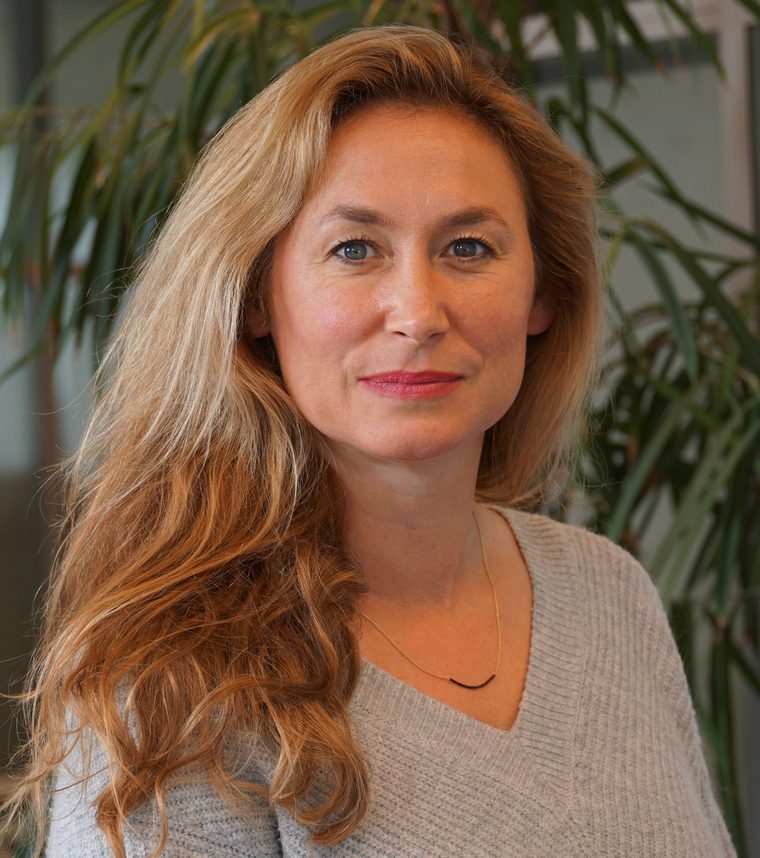
Dr. Mariëtte van Huijstee
Rathenau Instituut, The Hague
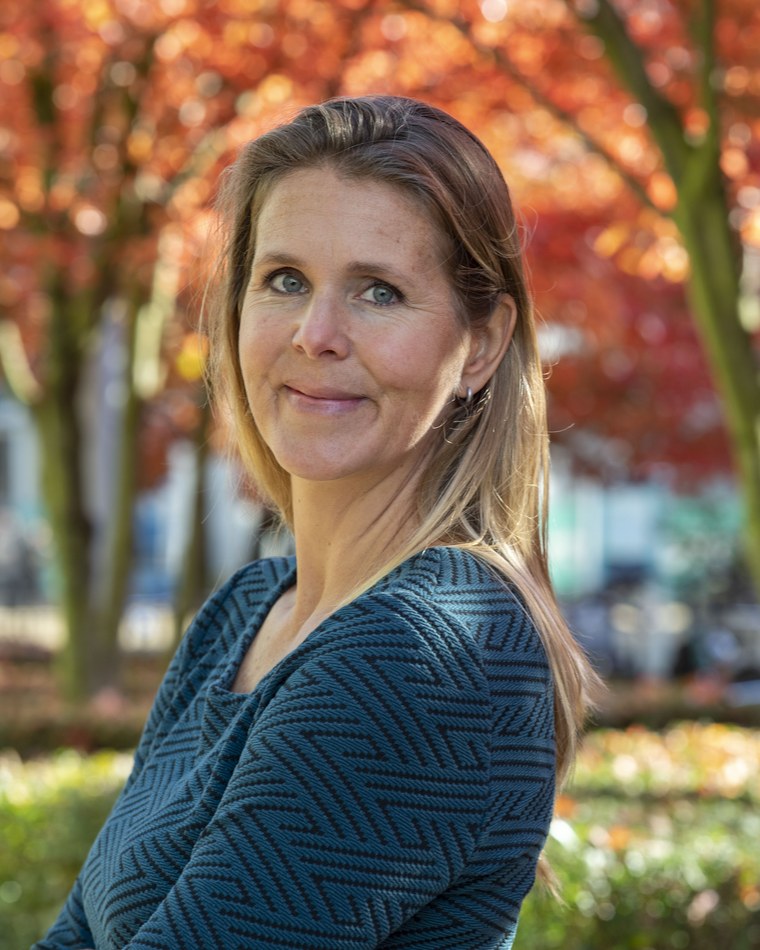
Prof. dr. Esther Rozendaal
Erasmus University Rotterdam
05Our Publications
Research outputs on digital literacy
Publications by the Hub
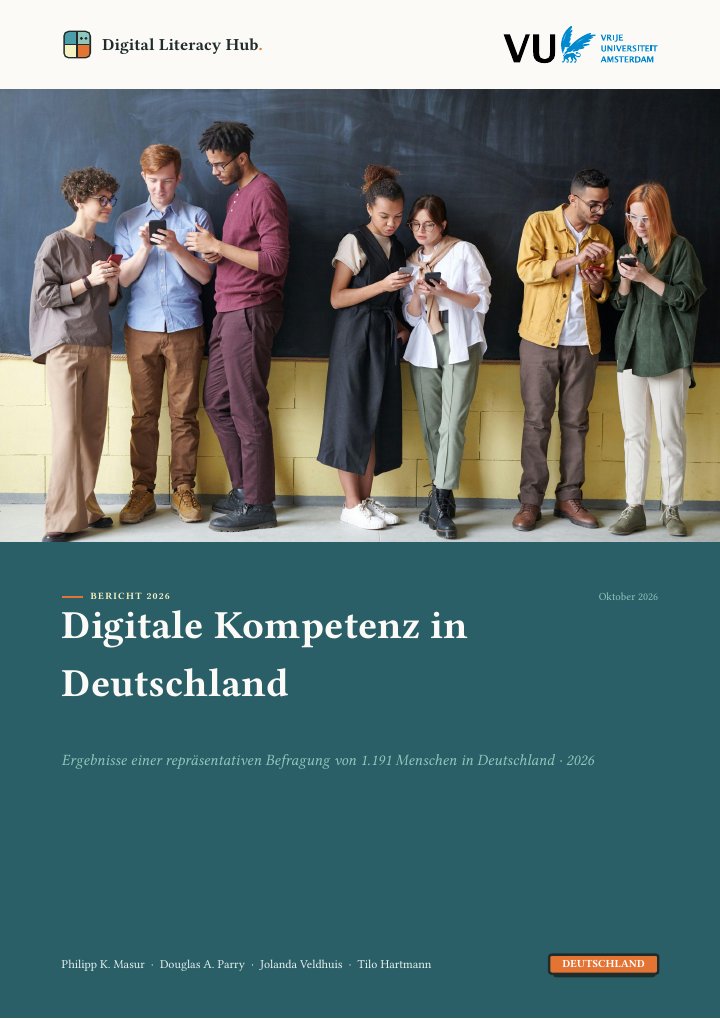
Report · In German · 2026
Digitale Kompetenz in Deutschland
Digital literacy in Germany: Results of a representative survey of 1,191 people in Germany
Read the report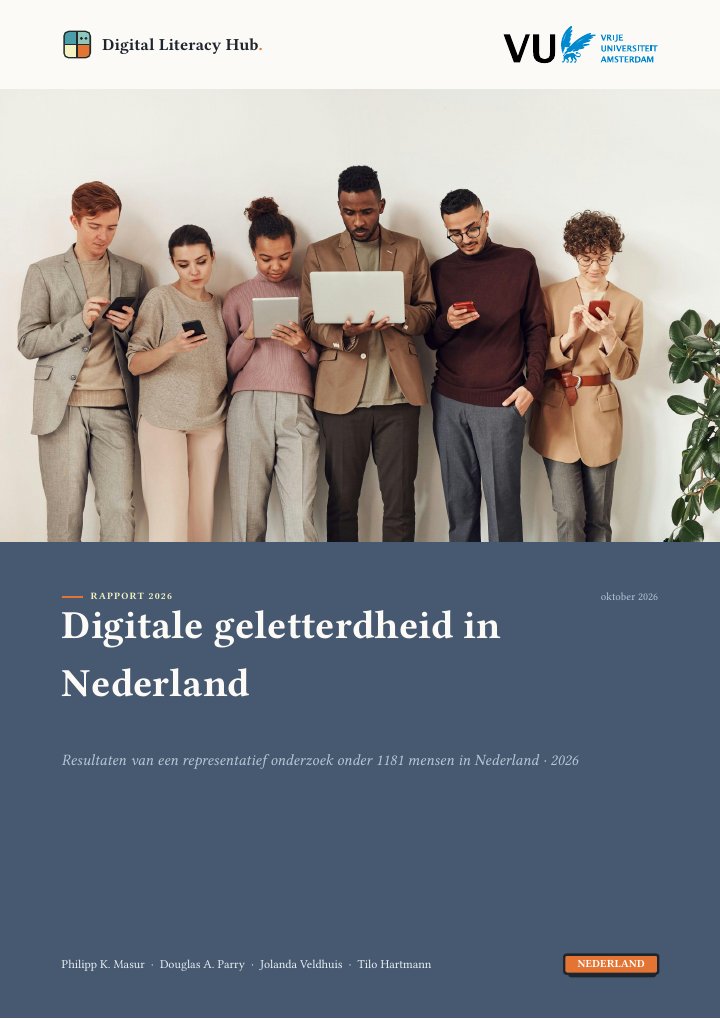
Report · In Dutch · 2026
Digitale geletterdheid in Nederland
Digital literacy in the Netherlands: Results of a representative survey of 1,181 people in the Netherlands
Read the report